 Atlas
FRANCE · PRACTICAL GUIDE
Charging cable stuck: checks before calling support
Stopping the session and releasing the connector are separate steps. Use this guide to locate the blockage, follow the normal release procedure and prepare a useful support call.
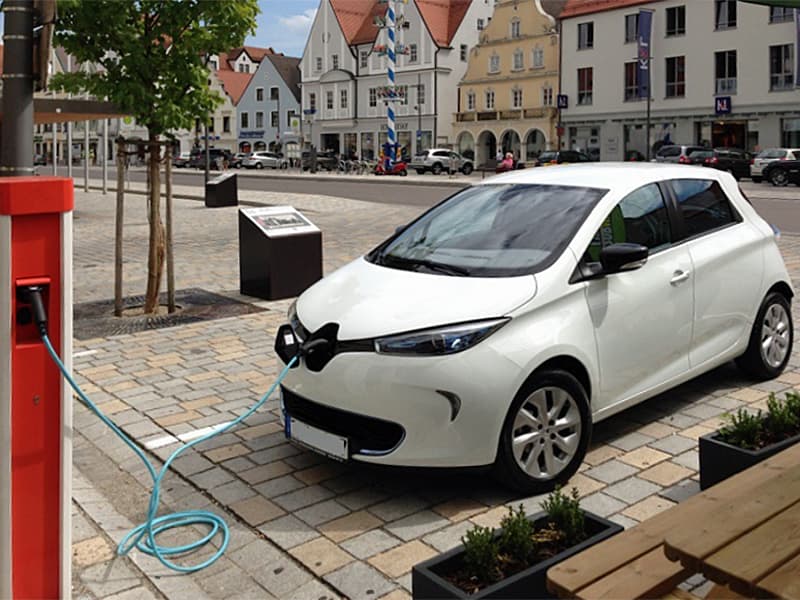
1. Identify which end remains locked
With a detachable AC cable, distinguish the vehicle socket from the charger socket. On a tethered charger, the station end is not intended for user removal. Photograph the charger number, displayed message and connector without touching contacts. Resistance alone does not establish a mechanical failure: the lock may still be active.
2. End the session using the intended control
Use the procedure displayed by the station or vehicle, with the card, app or control associated with your session. Check that charging has stopped before following the release sequence. Ending energy transfer does not always unlock the connector automatically. Keep the stop time and receipt: parking or occupancy fees may be separate from energy charges.
3. Follow your handbook, not another model’s video
For example, the linked Tesla Model 3 handbook says the vehicle must be unlocked or detect its key before releasing the cable; the normal procedure uses the handle button. This does not establish how a Renault or an AC socketed station operates. Once release is confirmed, withdraw the handle normally. If it still resists, stop trying rather than forcing it or using leverage.
4. A documented Renault case, not a universal diagnosis
In a 29 April 2026 article, Renault’s team describes a button beside the socket remaining depressed after an overly strong press. It describes gently freeing that button, then using a card lock/unlock sequence with doors closed. Consult its illustration and your version’s handbook before applying this specific case. Do not dismiss a different or persistent electrical warning because this workaround exists.
5. When to call and what to provide
If normal release fails, call the number on the charger for a station-side issue or vehicle assistance for a car-side issue; if unsure, describe both. Prepare the location, operator, charger number, model/year, AC or DC, session status, exact message and actions already tried. With an unusual smell, smoke, abnormal heat or damaged equipment, move away and follow emergency instructions. Do not open the charger or use a tool on its lock.
6. Manual release remains vehicle-specific
An emergency release cable, where fitted, is not an interchangeable shortcut between models. Its location, conditions of use and confirmation that charging has stopped belong to the handbook and assistance procedure. After release, record whether the problem involved the control, connector or station: this is more useful to a workshop than “it sometimes gets stuck”.
Calculate my euro charging budget
Sources and approach
AtlasVolt editorial synthesis based on the linked sources. These recommendations are not presented as a road test. Model prices come from the manufacturer records linked on each reference page.
- Tesla · Model 3, arrêt de recharge et déverrouillage
- Équipe Renault · bouton de prise bloqué, 29 avril 2026
- IONITY · assistance et questions de recharge